Tummy Tucks in Montreal: How Dr. Guberman’s Signature Approach Delivers Natural Results
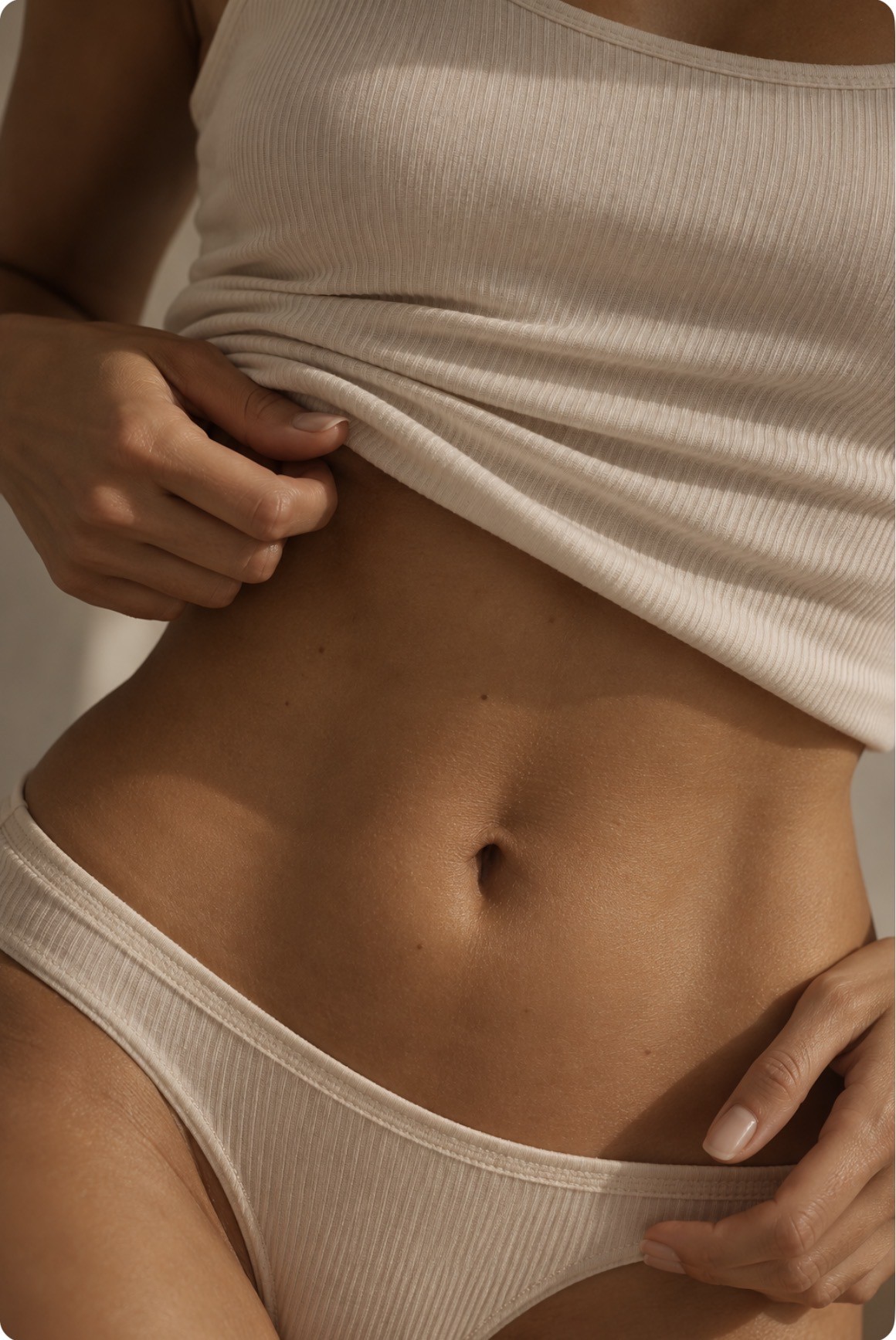
For many people, achieving a flat, toned abdomen can feel impossible after pregnancy, significant weight loss, or years of weight fluctuations. At Essbé Beauté, Dr. Guberman offers a unique, patient-centered approach to tummy tucks that focuses on natural results, holistic recovery, and long-term confidence.
If you’re considering abdominoplasty in Montreal or Quebec, here’s why Dr. Guberman’s method stands out.
Understanding the Tummy Tuck
A tummy tuck, or abdominoplasty, is a surgical procedure that removes excess skin and fat from the abdomen while tightening weakened or separated muscles. It is ideal for:
- Post-pregnancy body changes
- Loose or sagging skin after major weight loss
- Stubborn fat deposits that don’t respond to diet or exercise
- Abdominal muscle separation (diastasis recti)
Dr. Guberman’s Signature Approach
Unlike a standard tummy tuck, Dr. Guberman’s Tight Tummy Signature Program integrates advanced surgical techniques with non-surgical technologies for a comprehensive transformation. Patients benefit from:
- Customized surgical plans tailored to their anatomy and goals
- EmSculpt Neo treatments to strengthen core muscles and improve post-surgical results
- Aerolase laser therapy to minimize scarring and accelerate skin healing
- Medical-grade skincare routines to enhance and maintain the outcome
- Free yearly consultations for life
“A tummy tuck isn’t just about aesthetics. It’s about function, confidence, and creating results that look and feel natural to the patient’s body.”Dr. Guberman
Natural Results That Last
Dr. Guberman is renowned for creating elegant, understated transformations. His focus on muscle repair, precise incisions, and holistic aftercare ensures results that look like you, only more refined.
Patients report increased confidence in their clothing, improved posture, and even relief from certain types of back pain caused by weakened abdominal muscles.
Why Choose Dr. Guberman and Essbé Beauté?
- Board-certified plastic and reconstructive surgeon (meet Dr. Guberman) with 16+ years of experience
- Luxury surgical and medspa environment in Montreal
- Holistic programs combining surgery with cutting-edge non-invasive treatments
- Personalized care and long-term follow-up for every patient
Full, Mini or Extended: Which Applies to You
“Tummy tuck” describes a family of operations rather than a single one, and the version that suits you depends on where the loose skin sits and whether the muscle wall is involved.
- Mini abdominoplasty. Addresses skin below the navel only, with a shorter incision and no repositioning of the belly button. Suitable for a relatively small group, those with laxity confined to the lower abdomen and an intact muscle wall.
- Full abdominoplasty. The most common version. Treats skin above and below the navel and allows repair of separated abdominal muscles.
- Extended abdominoplasty. Carries the incision further around the flanks, typically after substantial weight loss where laxity wraps toward the back.
Patients often hope to qualify for a mini. Honest assessment matters more than the smaller scar here, because a mini performed on an abdomen that needed a full procedure leaves the upper laxity untouched and the muscle separation unrepaired.
Diastasis Recti: The Part That Is Not Cosmetic
During pregnancy the two vertical bands of the rectus abdominis can separate along the midline. In many people they come back together. In some they do not, and no amount of core work will close the gap; certain exercises can make the bulge more pronounced.
Repairing that separation is a functional part of the operation, not a cosmetic one. Patients frequently report improved core stability and, in some cases, relief from lower back discomfort that had been attributed to other causes.
Surgery Day and the Weeks After
A full abdominoplasty is performed under general anaesthetic and generally takes two to three hours, longer when combined with liposuction or other procedures. Most patients go home the same day or after a single overnight stay.
- Week 1. The most demanding stretch. Patients walk bent slightly forward and sleep propped up. Drains, if used, usually come out during this period.
- Weeks 2–3. Standing upright returns. Desk work is often manageable toward the end of week two.
- Weeks 4–6. Light exercise resumes with clearance. Core work waits longer, typically eight weeks or more where muscle repair was performed.
- Months 3–12. Swelling continues to resolve gradually and the scar fades and flattens. The final contour is not apparent at six weeks.
A compression garment is worn for several weeks. Recovery varies considerably between individuals, and your surgical team’s instructions always take precedence over a general timeline.
About the Scar
A full abdominoplasty leaves a horizontal scar low across the abdomen, positioned to sit beneath underwear and swimwear. The navel is repositioned, leaving a small scar around it.
This is a permanent trade-off and worth weighing honestly before committing. Scars are red and firm for the first months, then soften and pale over twelve to eighteen months. Aerolase treatment and a structured scar protocol, begun at the right point in healing, meaningfully improve how they mature.
Timing: Weight, Pregnancy and Readiness
Two questions come up in nearly every consultation. The first is weight; results hold best when weight has been stable for several months, since significant loss afterward creates new laxity and gain can compromise the repair.
The second is future pregnancy. A subsequent pregnancy can stretch a repaired muscle wall again. This does not make surgery impossible beforehand, but it is a genuine consideration and deserves a frank conversation rather than a reassurance.
Combining Procedures
Abdominoplasty is frequently performed alongside other body work, liposuction of the flanks to refine the transition, or as part of a mommy makeover combining abdominal and breast surgery in a single anaesthetic. Combining reduces total recovery time and cost relative to staging, but it lengthens the operation, and suitability depends on your health and the scope involved.
Full, Mini or Extended: Which Applies to You
“Tummy tuck” describes a family of operations rather than a single one, and the version that suits you depends on where the loose skin sits and whether the muscle wall is involved.
- Mini abdominoplasty. Addresses skin below the navel only, with a shorter incision and no repositioning of the belly button. Suitable for a relatively small group, those with laxity confined to the lower abdomen and an intact muscle wall.
- Full abdominoplasty. The most common version. Treats skin above and below the navel and allows repair of separated abdominal muscles.
- Extended abdominoplasty. Carries the incision further around the flanks, typically after substantial weight loss where laxity wraps toward the back.
Patients often hope to qualify for a mini. Honest assessment matters more than the smaller scar here, because a mini performed on an abdomen that needed a full procedure leaves the upper laxity untouched and the muscle separation unrepaired.
Diastasis Recti: The Part That Is Not Cosmetic
During pregnancy the two vertical bands of the rectus abdominis can separate along the midline. In many people they come back together. In some they do not, and no amount of core work will close the gap; certain exercises can make the bulge more pronounced.
Repairing that separation is a functional part of the operation, not a cosmetic one. Patients frequently report improved core stability and, in some cases, relief from lower back discomfort that had been attributed to other causes.
Surgery Day and the Weeks After
A full abdominoplasty is performed under general anaesthetic and generally takes two to three hours, longer when combined with liposuction or other procedures. Most patients go home the same day or after a single overnight stay.
- Week 1. The most demanding stretch. Patients walk bent slightly forward and sleep propped up. Drains, if used, usually come out during this period.
- Weeks 2–3. Standing upright returns. Desk work is often manageable toward the end of week two.
- Weeks 4–6. Light exercise resumes with clearance. Core work waits longer, typically eight weeks or more where muscle repair was performed.
- Months 3–12. Swelling continues to resolve gradually and the scar fades and flattens. The final contour is not apparent at six weeks.
A compression garment is worn for several weeks. Recovery varies considerably between individuals, and your surgical team’s instructions always take precedence over a general timeline.
About the Scar
A full abdominoplasty leaves a horizontal scar low across the abdomen, positioned to sit beneath underwear and swimwear. The navel is repositioned, leaving a small scar around it.
This is a permanent trade-off and worth weighing honestly before committing. Scars are red and firm for the first months, then soften and pale over twelve to eighteen months. Aerolase treatment and a structured scar protocol, begun at the right point in healing, meaningfully improve how they mature.
Timing: Weight, Pregnancy and Readiness
Two questions come up in nearly every consultation. The first is weight; results hold best when weight has been stable for several months, since significant loss afterward creates new laxity and gain can compromise the repair.
The second is future pregnancy. A subsequent pregnancy can stretch a repaired muscle wall again. This does not make surgery impossible beforehand, but it is a genuine consideration and deserves a frank conversation rather than a reassurance.
Combining Procedures
Abdominoplasty is frequently performed alongside other body work, liposuction of the flanks to refine the transition, or as part of a mommy makeover combining abdominal and breast surgery in a single anaesthetic. Combining reduces total recovery time and cost relative to staging, but it lengthens the operation, and suitability depends on your health and the scope involved.
Full, Mini or Extended: Which Applies to You
“Tummy tuck” describes a family of operations rather than a single one, and the version that suits you depends on where the loose skin sits and whether the muscle wall is involved.
- Mini abdominoplasty. Addresses skin below the navel only, with a shorter incision and no repositioning of the belly button. Suitable for a relatively small group, those with laxity confined to the lower abdomen and an intact muscle wall.
- Full abdominoplasty. The most common version. Treats skin above and below the navel and allows repair of separated abdominal muscles.
- Extended abdominoplasty. Carries the incision further around the flanks, typically after substantial weight loss where laxity wraps toward the back.
Patients often hope to qualify for a mini. Honest assessment matters more than the smaller scar here, because a mini performed on an abdomen that needed a full procedure leaves the upper laxity untouched and the muscle separation unrepaired.
Diastasis Recti: The Part That Is Not Cosmetic
During pregnancy the two vertical bands of the rectus abdominis can separate along the midline. In many people they come back together. In some they do not, and no amount of core work will close the gap; certain exercises can make the bulge more pronounced.
Repairing that separation is a functional part of the operation, not a cosmetic one. Patients frequently report improved core stability and, in some cases, relief from lower back discomfort that had been attributed to other causes.
Surgery Day and the Weeks After
A full abdominoplasty is performed under general anaesthetic and generally takes two to three hours, longer when combined with liposuction or other procedures. Most patients go home the same day or after a single overnight stay.
- Week 1. The most demanding stretch. Patients walk bent slightly forward and sleep propped up. Drains, if used, usually come out during this period.
- Weeks 2–3. Standing upright returns. Desk work is often manageable toward the end of week two.
- Weeks 4–6. Light exercise resumes with clearance. Core work waits longer, typically eight weeks or more where muscle repair was performed.
- Months 3–12. Swelling continues to resolve gradually and the scar fades and flattens. The final contour is not apparent at six weeks.
A compression garment is worn for several weeks. Recovery varies considerably between individuals, and your surgical team’s instructions always take precedence over a general timeline.
About the Scar
A full abdominoplasty leaves a horizontal scar low across the abdomen, positioned to sit beneath underwear and swimwear. The navel is repositioned, leaving a small scar around it.
This is a permanent trade-off and worth weighing honestly before committing. Scars are red and firm for the first months, then soften and pale over twelve to eighteen months. Aerolase treatment and a structured scar protocol, begun at the right point in healing, meaningfully improve how they mature.
Timing: Weight, Pregnancy and Readiness
Two questions come up in nearly every consultation. The first is weight; results hold best when weight has been stable for several months, since significant loss afterward creates new laxity and gain can compromise the repair.
The second is future pregnancy. A subsequent pregnancy can stretch a repaired muscle wall again. This does not make surgery impossible beforehand, but it is a genuine consideration and deserves a frank conversation rather than a reassurance.
Combining Procedures
Abdominoplasty is frequently performed alongside other body work, liposuction of the flanks to refine the transition, or as part of a mommy makeover combining abdominal and breast surgery in a single anaesthetic. Combining reduces total recovery time and cost relative to staging, but it lengthens the operation, and suitability depends on your health and the scope involved.
Full, Mini or Extended: Which Applies to You
“Tummy tuck” describes a family of operations rather than a single one, and the version that suits you depends on where the loose skin sits and whether the muscle wall is involved.
- Mini abdominoplasty. Addresses skin below the navel only, with a shorter incision and no repositioning of the belly button. Suitable for a relatively small group, those with laxity confined to the lower abdomen and an intact muscle wall.
- Full abdominoplasty. The most common version. Treats skin above and below the navel and allows repair of separated abdominal muscles.
- Extended abdominoplasty. Carries the incision further around the flanks, typically after substantial weight loss where laxity wraps toward the back.
Patients often hope to qualify for a mini. Honest assessment matters more than the smaller scar here, because a mini performed on an abdomen that needed a full procedure leaves the upper laxity untouched and the muscle separation unrepaired.
Diastasis Recti: The Part That Is Not Cosmetic
During pregnancy the two vertical bands of the rectus abdominis can separate along the midline. In many people they come back together. In some they do not, and no amount of core work will close the gap; certain exercises can make the bulge more pronounced.
Repairing that separation is a functional part of the operation, not a cosmetic one. Patients frequently report improved core stability and, in some cases, relief from lower back discomfort that had been attributed to other causes.
Surgery Day and the Weeks After
A full abdominoplasty is performed under general anaesthetic and generally takes two to three hours, longer when combined with liposuction or other procedures. Most patients go home the same day or after a single overnight stay.
- Week 1. The most demanding stretch. Patients walk bent slightly forward and sleep propped up. Drains, if used, usually come out during this period.
- Weeks 2–3. Standing upright returns. Desk work is often manageable toward the end of week two.
- Weeks 4–6. Light exercise resumes with clearance. Core work waits longer, typically eight weeks or more where muscle repair was performed.
- Months 3–12. Swelling continues to resolve gradually and the scar fades and flattens. The final contour is not apparent at six weeks.
A compression garment is worn for several weeks. Recovery varies considerably between individuals, and your surgical team’s instructions always take precedence over a general timeline.
About the Scar
A full abdominoplasty leaves a horizontal scar low across the abdomen, positioned to sit beneath underwear and swimwear. The navel is repositioned, leaving a small scar around it.
This is a permanent trade-off and worth weighing honestly before committing. Scars are red and firm for the first months, then soften and pale over twelve to eighteen months. Aerolase treatment and a structured scar protocol, begun at the right point in healing, meaningfully improve how they mature.
Timing: Weight, Pregnancy and Readiness
Two questions come up in nearly every consultation. The first is weight; results hold best when weight has been stable for several months, since significant loss afterward creates new laxity and gain can compromise the repair.
The second is future pregnancy. A subsequent pregnancy can stretch a repaired muscle wall again. This does not make surgery impossible beforehand, but it is a genuine consideration and deserves a frank conversation rather than a reassurance.
Combining Procedures
Abdominoplasty is frequently performed alongside other body work, liposuction of the flanks to refine the transition, or as part of a mommy makeover combining abdominal and breast surgery in a single anaesthetic. Combining reduces total recovery time and cost relative to staging, but it lengthens the operation, and suitability depends on your health and the scope involved.
Begin Your Journey Today
If you’ve been considering a tummy tuck, take the first step with a consultation at Essbé Beauté. Dr. Guberman will help you understand your options and create a plan designed to fit your body, lifestyle, and vision for the future.
Frequently Asked Questions
How is a tummy tuck different from liposuction?
Liposuction removes fat. A tummy tuck removes excess skin and can repair separated abdominal muscles. If your concern is loose skin or a muscle bulge, liposuction alone will not address it, and can make loose skin slightly more apparent. The two are often combined.
Will a tummy tuck get rid of my stretch marks?
Some of them. Stretch marks on skin that is removed, typically those below the navel, go with it. Marks above the navel generally remain, though they may sit differently once the skin is re-draped.
How long before I can lift my children?
Lifting restrictions usually apply for several weeks, and longer where muscle repair was performed. This is worth planning for in advance if you have young children, since it is the restriction patients most often find difficult.
Is a tummy tuck covered by RAMQ or private insurance?
Abdominoplasty performed for aesthetic reasons is not covered. Certain reconstructive circumstances may be assessed differently. Financing through Beautifi is available, see the financing page for details.