Why Do I Always Look Tired, Even When I’m Not?
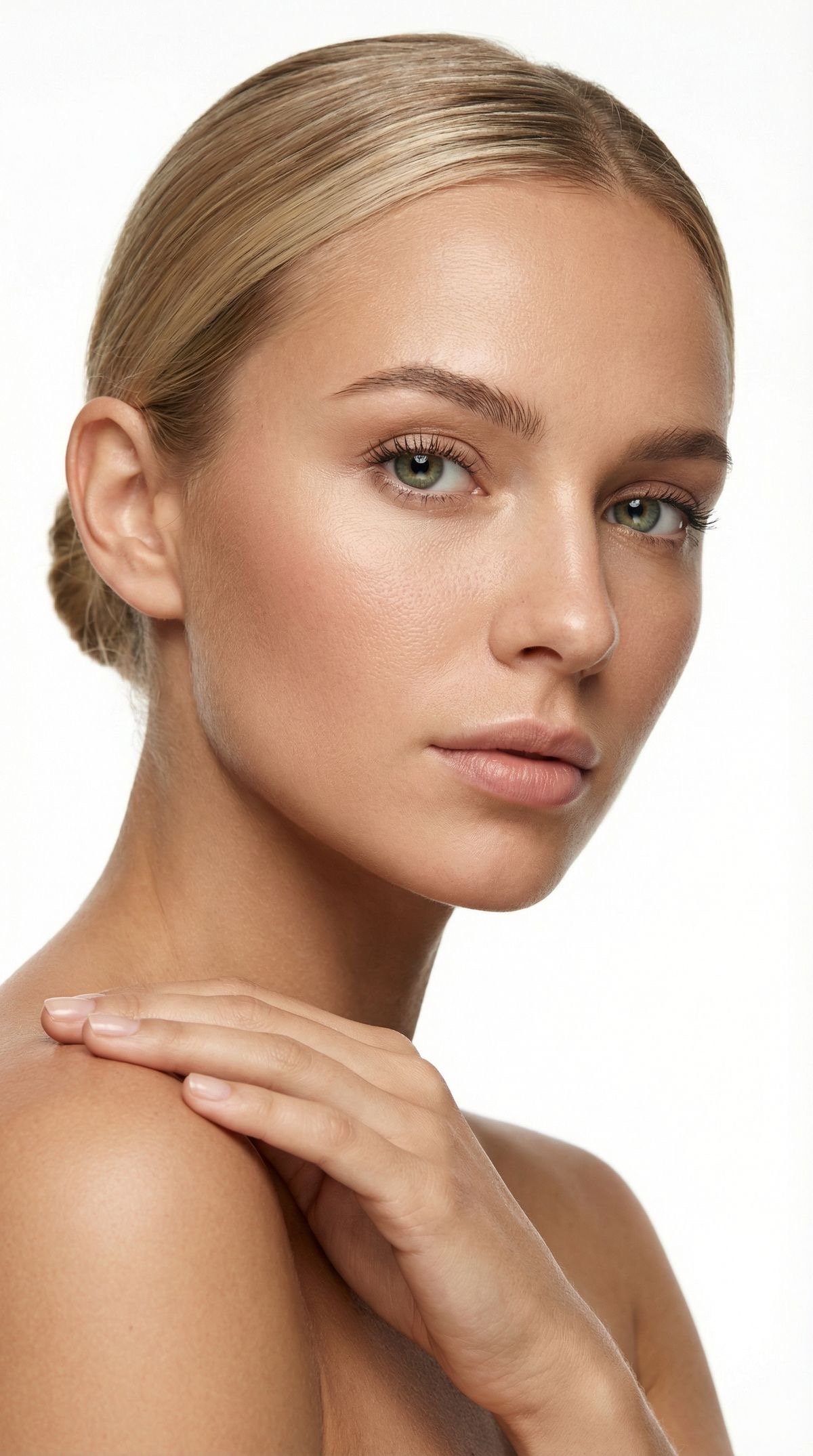
It is one of the most common things we hear in a Restore consultation: “People keep asking if I’m tired, and I slept eight hours.” It is a frustrating thing to be told, partly because it is not really about tiredness at all. The eyes are the first part of the face to show structural change, and they show it years before the cheeks or jawline do.
Understanding why the eye area reads as tired is the first step in deciding whether anything needs to be done about it, and, often, in realising that far less is needed than you feared.
What Actually Changes Around the Eyes
The skin of the eyelid is the thinnest on the body, roughly a fraction of a millimetre. It has very little supporting fat and almost no oil glands. That makes it exquisitely responsive, and the first place volume loss, laxity and shadow become visible.
Four separate changes tend to happen at once, which is why the effect can feel disproportionate to your age:
- Upper lid hooding. Skin above the lash line loosens and begins to rest on the lid, shortening the visible eyelid and making the eye look smaller and heavier.
- Brow descent. The outer third of the brow drops first, which adds weight to the upper lid and can create a subtly downturned expression.
- Lower lid fullness. The fat that cushions the eye socket can push forward as the retaining ligaments loosen, producing the puffiness people describe as bags.
- Tear trough hollowing. Volume loss beneath the eye creates a groove that casts a shadow, read by the eye as a dark circle, even when pigment is unchanged.
Shadow is doing a great deal of the work here. Much of what looks like discolouration is topography, not colour, which is why concealer so often disappoints.
Why It Is Not Always Aging
Plenty of people in their late twenties and thirties have a tired-looking eye area, and it has nothing to do with aging. Genetics set the depth of your orbital rim and the position of your brow. Allergies and chronic congestion cause venous pooling. Thyroid conditions, sleep apnea and certain medications all change periorbital fluid. Sun exposure accelerates collagen loss in skin already thin to begin with.
This matters practically: if a medical cause is contributing, addressing it usually comes first. A consultation should establish that before anything cosmetic is discussed.
Matching the Treatment to the Cause
The single most useful thing a consultation does is separate a skin problem from a volume problem from a structural one, because the answers are genuinely different.
When the issue is skin quality
Fine crepiness and dullness without significant laxity respond well to non-surgical care. Aerolase treatments target tone and stimulate collagen in the delicate periorbital skin, and a considered skincare protocol, particularly Biologique Recherche formulations chosen for thin skin, supports texture over time. Results build gradually rather than dramatically.
When the issue is volume
A hollow tear trough is a deficit, not an excess. Carefully placed injectable treatment can restore support and lift the shadow. This is technically demanding work in a thin-skinned, unforgiving area, and conservative placement matters far more than volume.
When the issue is structural
Once skin is genuinely redundant: resting on the lashes, interfering with makeup, occasionally narrowing the peripheral field, no cream or injectable will address it. Blepharoplasty removes or repositions the excess directly. It is among the more modest operations in aesthetic surgery, performed under local anaesthetic with sedation, with incisions placed in the natural lid crease where they settle to near-invisibility.
Where brow position is the real driver, addressing the lid alone can disappoint. In those cases the conversation may widen to include the upper face or a facelift approach, depending on what the rest of the face is doing.
The Light Eyes Program
Because these changes arrive together, treating one in isolation often produces an incomplete result. The Light Eyes program, one of Essbé Beauté’s Signature Programs, was built around that observation: surgical correction where it is warranted, paired with Aerolase and a skincare protocol that supports the skin before and after.
The intent is not to make the eyes look different. It is to remove the shadow and weight that make a rested person read as exhausted.
What Recovery Actually Looks Like
For eyelid surgery, most patients take about a week away from work. Bruising and swelling peak in the first two to three days and settle substantially by day seven to ten, when sutures come out. Reading and screens are usually comfortable within a few days; strenuous exercise waits two to three weeks.
Final refinement takes longer than most people expect, scars mature over several months, and the last of the swelling resolves gradually. Recovery differs from person to person, and your surgeon’s guidance for your case takes precedence over any general timeline.
A Reasonable Place to Start
If you are being told you look tired and you know you are not, the useful next step is a proper assessment rather than a product. A Restore consultation with Dr. Guberman establishes what is actually happening, skin, volume, structure, or a combination, and what, if anything, is worth doing about it.
Frequently the honest answer involves less intervention than people arrive expecting.
Frequently Asked Questions
Will eyelid surgery change the shape of my eyes?
It should not. Well-planned blepharoplasty removes redundant tissue while preserving the lid’s natural contour and your original eye shape. Over-resection is what produces a changed or hollow appearance, which is why conservative planning matters.
Can fillers fix under-eye bags?
Sometimes, and sometimes not. Injectables can soften a hollow tear trough that is casting a shadow. They cannot remove herniated fat producing true lower-lid fullness, adding volume around a bulge usually makes it more obvious. Assessment determines which you have.
How long do the results of blepharoplasty last?
Upper eyelid results are typically long-lasting, often a decade or more, though the face continues to age naturally around them. Lower lid results tend to be durable as well. Skin quality and sun protection influence longevity.
Is there a non-surgical option if I am not ready for surgery?
Yes. Aerolase, medical skincare and conservative injectable treatment can meaningfully improve tone, texture and shadow. They work best on early changes; they do not replace surgery once skin is genuinely redundant.